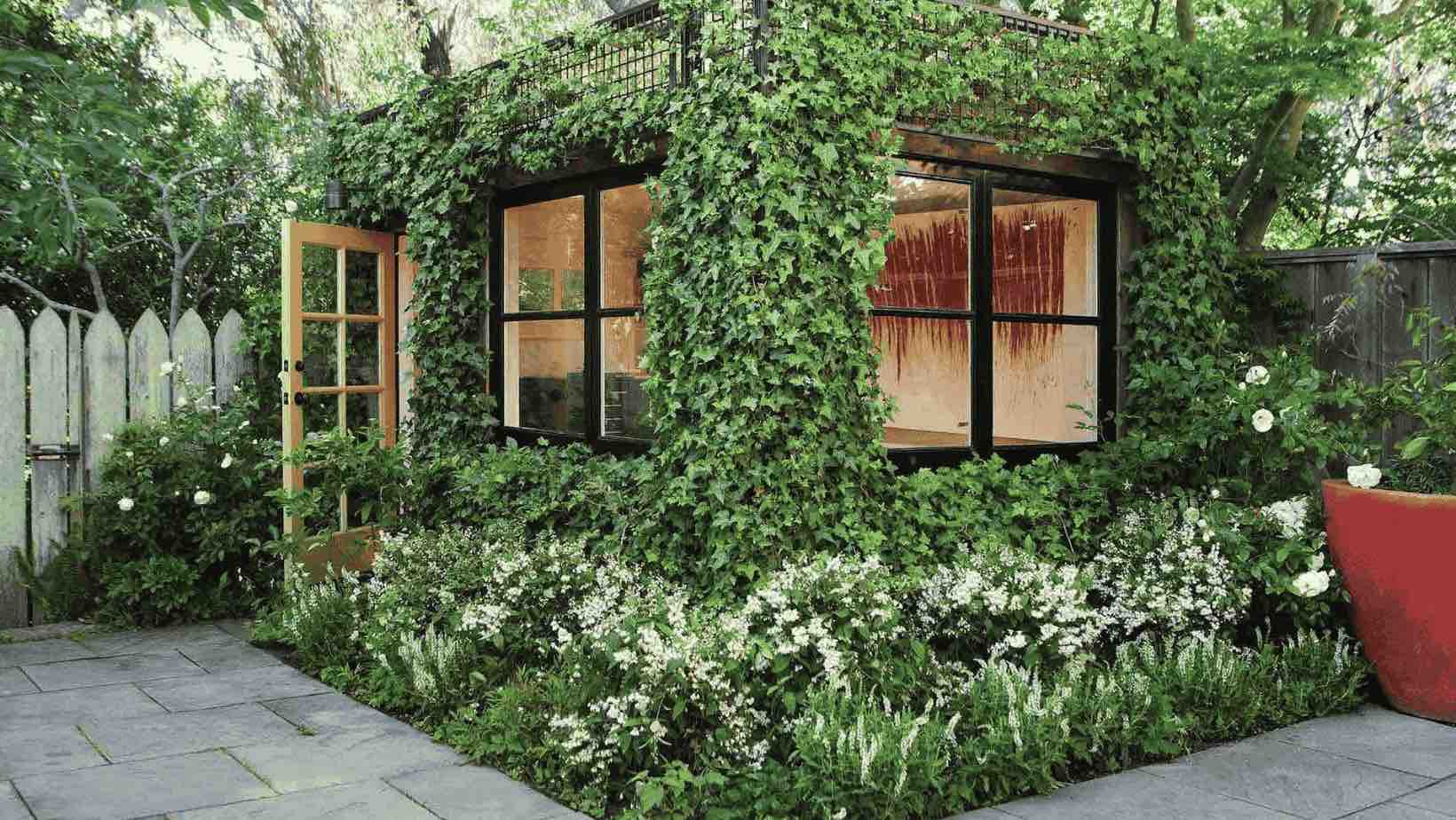
The Living Landmark: Integrating Vertical Gardens and Green Walls for Future-Proof Urban Development


Vertical Gardens and Green Façades are rapidly transforming modern urban architecture by integrating living systems directly into buildings, improving sustainability, energy performance, and well-being. These systems, whether high tech Living Walls or simpler climbing Green Façades, deliver measurable environmental, economic, and wellness benefits, from reducing heat and filtering air to lowering energy costs and increasing property value. Their success, however, depends on expert engineering and ongoing horticultural maintenance to ensure long term health and performance. As cities densify, these living building systems are becoming essential infrastructure for resilient, future proof urban environments.


In the rapidly evolving landscape of global urban architecture, there is a movement away from monolithic concrete and glass towards structures that actively integrate with nature.
At the forefront of this movement are Vertical Gardens (Living Walls) and Green Façades, not merely decorative elements but sophisticated, high-performance systems that redefine how buildings interact with their environment.
For developers and city planners, the investment in living building systems represents a major advancement in biophilic design, a strategy proven to improve occupant well-being, reduce operational expenditures, and support long-term sustainability goals.
Organizations like the International Living Future Institute champion these systems as essential components of regenerative building practices.
This article explores the practical application, core benefits, and maintenance strategies of large-scale green walls, positioning them as vital infrastructure for resilient, future-proof cities.
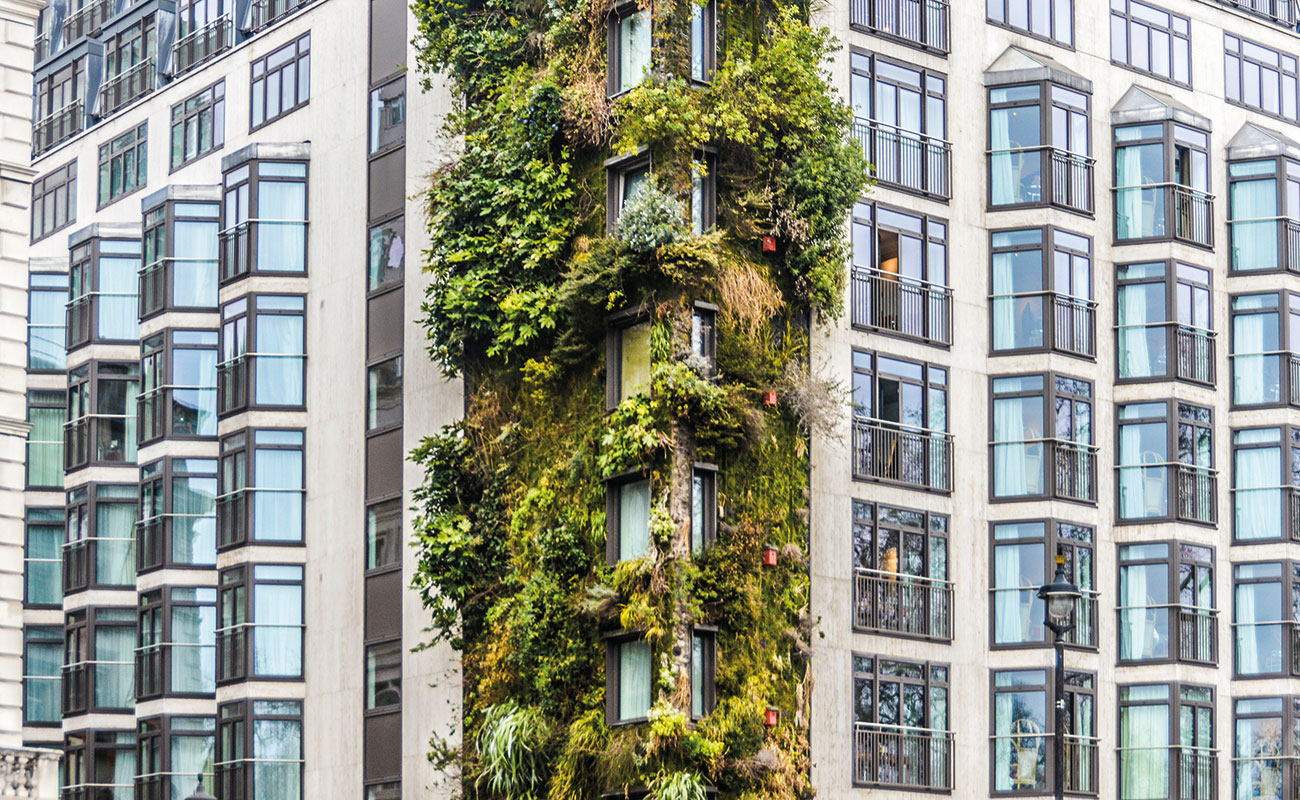
The Practical Application: Integrating Nature into the Urban Fabric
While often used interchangeably, "Vertical Garden" and "Green Façade" refer to two distinct and proven methods of vegetating a building’s exterior. Understanding the difference is critical for determining the right system for a project’s budget, scale, and desired aesthetic outcome.
1. Living Walls (Vertical Gardens)
A Living Wall is a fully engineered system where plants grow within modular hydroponic or substrate-based panels secured directly to the building. They do not rely on soil at the base, which is similar to the system widely adopted in projects like Patrick Blanc’s living facades, documented by Green Roofs for Healthy Cities.
Key Features and Practical Application:
- Modularity: Plants are grown in pre-vegetated panels or stacked modules, often made of recycled plastic, synthetic felt, or mineral wool. These panels are typically cultivated off-site, allowing for near-instant installation of a fully mature wall, similar to techniques described by Biophilic Cities, and installed to create an instantly lush façade.
- Structural Requirements: Living Walls are heavier than Green Façades, requiring careful consideration of the load-bearing capacity of the wall and the supporting structure. They must be installed with a waterproof membrane to protect the building envelope from moisture.
- System Dependence: These walls rely entirely on a sophisticated internal system for survival, typically involving:
- Automated Drip Irrigation: Delivers water directly to the plant roots in the modular cells.
- Fertigation: A mechanism that injects precisely measured nutrients into the irrigation water.
- Recirculation: Excess water is often collected at the base, filtered, and recirculated, minimizing water waste.
- Aesthetic Versatility: Living Walls offer unparalleled design flexibility, allowing for dense, complex, and sometimes artistic plantings that can utilize hundreds of plant species per wall, offering year-round colour and texture.
2. Green Façades (Trellis Systems)
A Green Façade is a simpler, more passive system where climbing plants grow from the ground or large planters and climb up wires, trellises, or stainless-steel mesh systems techniques outlined in The City of Toronto Green Standard.
Key Features and Practical Application:
- Rooting Location: Plants root in the earth, which is a major advantage as they draw water and nutrients from the soil, making them less dependent on complex mechanical systems.
- Cost and Simplicity: Green Façades have a lower initial cost and require less complex engineering than Living Walls.
- Growth Profile: They require patience, as it can take several years for the vegetation to fully cover the façade. Once mature, however, they can be remarkably resilient and low-maintenance.
- Energy Performance: They create an insulated air gap between the vegetation and the wall, which is highly effective for reducing solar heat gain. The type of climbing frame (cable vs. mesh) can be engineered to manage the density of the foliage and the required clearance from the building.
The implementation of either system, from the smallest interior atrium wall to a towering exterior façade, requires specialized horticultural and structural engineering expertise to ensure the design is appropriate for the local climate, wind load, sun exposure, and the chosen plant palette.
A Multidimensional Return on Investment: The Core Benefits
Large-scale green façades deliver quantifiable value across environmental, economic, and human-centered metrics, supported by research from organizations such as the U.S. Environmental Protection Agency and the University of Toronto’s Green Roof Innovation Lab.
1. Environmental and Ecological Benefits
- Combating the Urban Heat Island (UHI) Effect: This is perhaps the most significant environmental benefit. Dark urban surfaces absorb solar radiation, radiating it back as heat and dramatically raising city temperatures. Green walls utilize a process called evapotranspiration, which is essentially a natural air-conditioning system. As plants release water vapour, the air temperature immediately surrounding the building can drop by several degrees, significantly cooling the microclimate.
- Enhanced Air Quality: The foliage acts as a natural air filter, effectively intercepting and absorbing airborne particulate matter (PM10 and PM2.5) and gaseous pollutants like nitrogen dioxide (NO2) and sulfur dioxide (SO2). A single square meter of green wall can filter significant quantities of pollutants annually, contributing to a healthier environment for tenants and the surrounding community.
- Stormwater Management: Especially in dense urban areas, green walls can absorb large amounts of rainfall, reducing the volume and velocity of runoff into strained municipal drainage systems. This mitigation helps to prevent flash flooding and minimizes the load on local water infrastructure.
- Biodiversity Support: Large-scale green walls create vital vertical habitat corridors in built-up areas, offering shelter and foraging ground for urban wildlife, including insects, birds, and pollinators, thereby supporting local biodiversity.
2. Economic and Operational Benefits
- Significant Energy Cost Reduction: The insulating and shading properties of green walls translate directly into lower utility bills. In hot climates, the shading effect drastically reduces solar heat gain, cutting demand for air conditioning. In cooler climates, the air gap created by a Green Façade acts as an insulating blanket, reducing heat loss. By shading building exteriors and insulating air gaps, green walls reduce energy consumption for cooling by up to 20%, according to the U.S. Department of Energy.
- Increased Property Value and Attractiveness: Buildings featuring living architecture command higher rents and sales prices. They function as a powerful marketing differentiator, attracting environmentally conscious tenants and businesses seeking LEED or WELL certification. They are often perceived as higher-quality, premium spaces.
- Extended Façade Longevity: A green façade shields the underlying building materials from damaging UV radiation, temperature fluctuations, and acid rain. By buffering the structure from the elements, the system can double the lifespan of the waterproof membrane and cladding materials, drastically lowering long-term maintenance costs for the building envelope itself.
- Noise Reduction: The layers of plants and the growth medium act as an acoustic buffer, absorbing and deflecting sound waves, which is particularly valuable in high-density urban canyons.
3. Aesthetic and Human Wellness Benefits
- Biophilic Connection: Research from Terrapin Bright Green shows that contact with natural systems improves:
- Cognitive performance
- Stress reduction
- Emotional well-being
- Enhanced Interior Environments: While this article focuses on exteriors, green walls often extend to interior atriums and lobbies. Research indicates that employees working near visible nature experience reduced absenteeism and increased productivity.
- Iconic Architecture: A vertical garden transforms a static building into a dynamic, iconic piece of living architecture, creating a powerful, recognizable, and positive brand identity for the property owner and the surrounding neighbourhood.
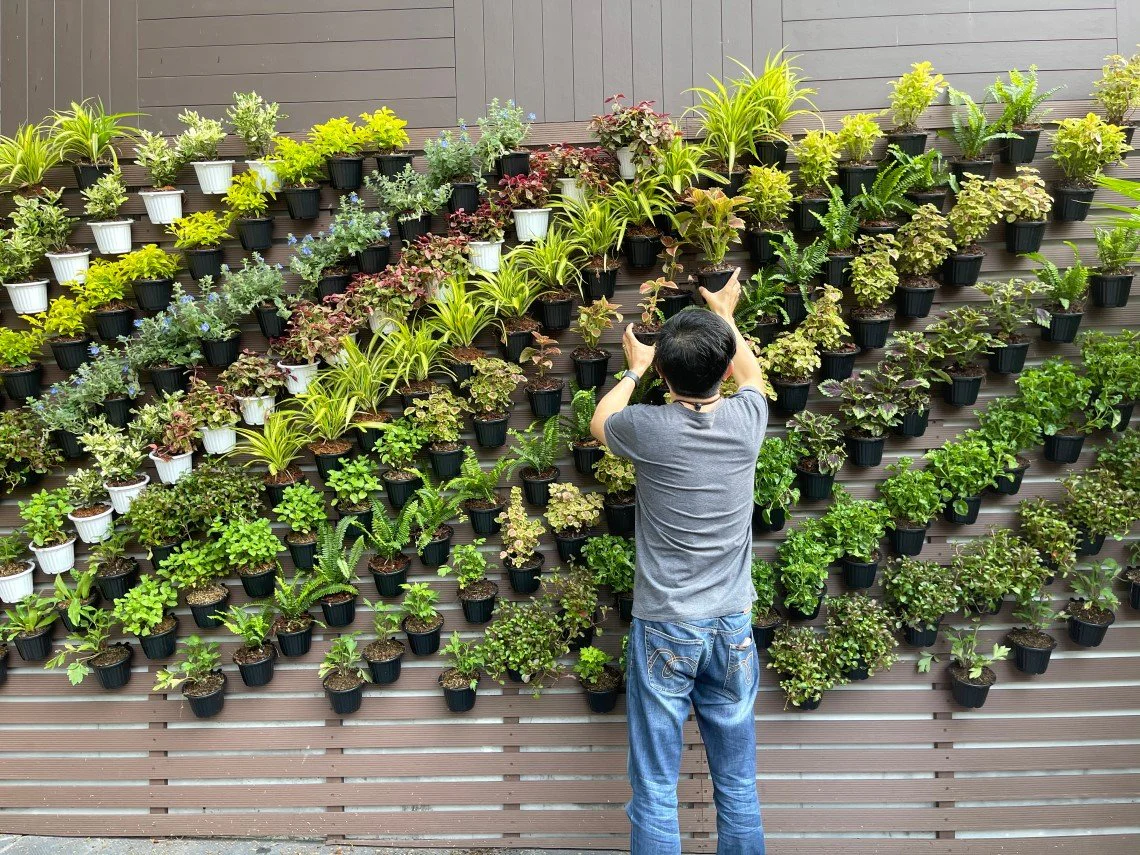
Sustaining the Spectacle: Essential Maintenance Strategies
The success of any vertical garden or green façade rests on a proactive, specialized, and systematic maintenance plan. While the systems are designed for automation, the living nature of the asset necessitates dedicated horticultural care to ensure its long-term health and aesthetic integrity.
1. Advanced Irrigation and Nutrient Management
The single most critical factor for Living Walls is the precise control of water and nutrients, often executed through a process called fertigation.
- Automated Monitoring: Modern systems use sensors embedded in the growth medium to monitor moisture levels, temperature, and electrical conductivity (EC), which indicates nutrient concentration. This data-driven approach allows the irrigation and fertigation cycles to be adjusted in real-time based on the weather, season, and specific plant needs.
- Water Quality: The quality of the source water must be regularly tested. Urban water often contains chlorine or high mineral content that can damage plant roots or clog the intricate drip emitters. Filtration and pH adjustment are often necessary.
- Nutrient Cycling: In hydroponic systems, nutrients must be carefully replenished. Maintenance teams manage a balanced portfolio of macro and micronutrients, ensuring optimal plant growth while preventing runoff that could impact the environment.
2. Horticultural and Structural Care
Maintaining the visual appeal and health of the vegetation requires regular, skilled horticultural work.
- Pruning and Trimming: Scheduled pruning is necessary to shape the wall, control plant growth, and prevent invasive species from dominating. For Living Walls, this ensures that light and air circulation are maintained for all plants. For Green Façades, it keeps the climbers from obstructing windows or gutters.
- Pest and Disease Management: A dense, living environment can attract pests. Maintenance protocols must include regular inspections and the application of environmentally safe, integrated pest management (IPM) techniques, prioritizing biological controls over harsh chemical treatments.
- Plant Replacement: Even in the best-maintained systems, individual plants will occasionally need to be replaced. A crucial aspect of maintenance involves sourcing and integrating replacement plants that match the existing maturity and species profile.
- Structural Inspection: For both systems, the structural integrity of the mounting hardware, cables, and waterproof membrane must be inspected biannually. This ensures the wall is safe, properly secured, and the building envelope remains protected.
3. Logistical Planning and Accessibility
The sheer scale of many green façades introduces unique logistical challenges that must be planned for in the design phase.
- Access Strategy: For large or multi-story walls, developers must ensure the building design incorporates a means of safe and efficient access for maintenance staff, whether through integrated window washing rigs, temporary rope access points, or specialized vertical lifts. Inaccessible sections are guaranteed to fail over time.
- Winterization (In Cold Climates): In Canadian climates, systems may require specific winterization protocols. This involves selecting robust, cold-tolerant plant species, insulating the main irrigation lines, and potentially draining the system during the deepest winter months to prevent pipes and components from freezing and bursting. The system must then be carefully recommissioned in the spring.
The long-term success of these living installations is contingent upon budgeting not just for the initial build, but for a dedicated, expert horticultural contract that treats the green façade as a critical, high-value mechanical and ecological asset.
The Future of Urban Resilience
Vertical Gardens and Green Façades are no longer novelties; they are a mature technology and a defining characteristic of resilient, high-performance urban infrastructure. For the sophisticated developer, they represent a powerful, tangible answer to the growing global demand for sustainability, energy efficiency, and occupant wellness.
By transforming sterile concrete into dynamic ecosystems, these living landmarks offer a return on investment that is simultaneously economic, through reduced operational costs and increased property value, and existential, through cleaner air, cooler cities, and a vital connection to nature.
As cities become denser, the strategic integration of large-scale green facades is not just an aesthetic choice, but an imperative for creating healthier, more competitive, and truly future-proof urban environments.

Sustainable Design


Similar Posts