Harnessing the Sun: Maximizing Solar Energy in Building Design


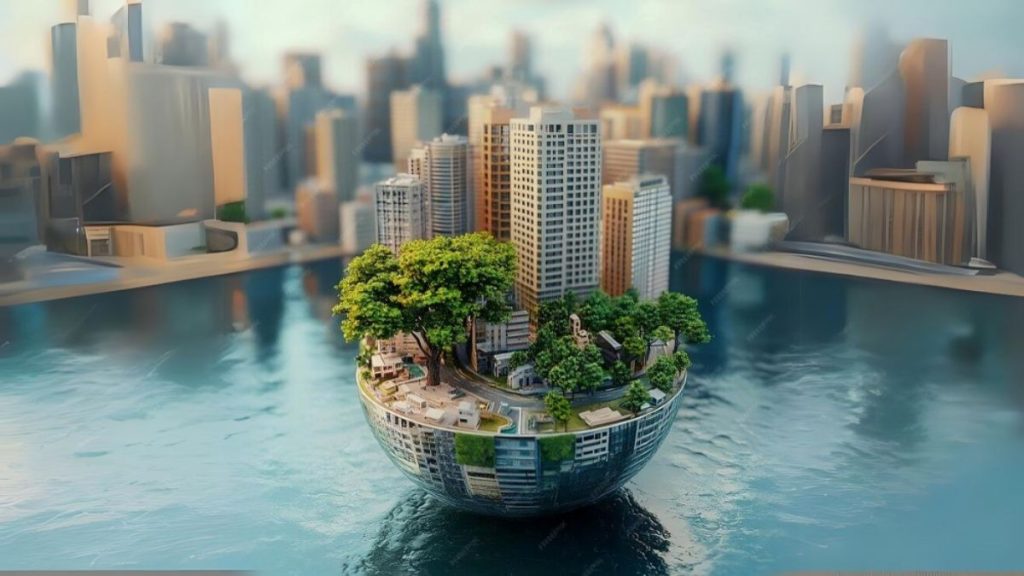
Solar energy is much more than just light and heat; it is a powerful, renewable resource that will revolutionize how we design and power our buildings. Integrating solar energy into a building's design—from proper orientation to using advanced PV systems—is essential for achieving both significant environmental and economic benefits. By embracing this holistic approach, we can drastically reduce our carbon footprint, lower our operating costs, and build a more sustainable future, one structure at a time.


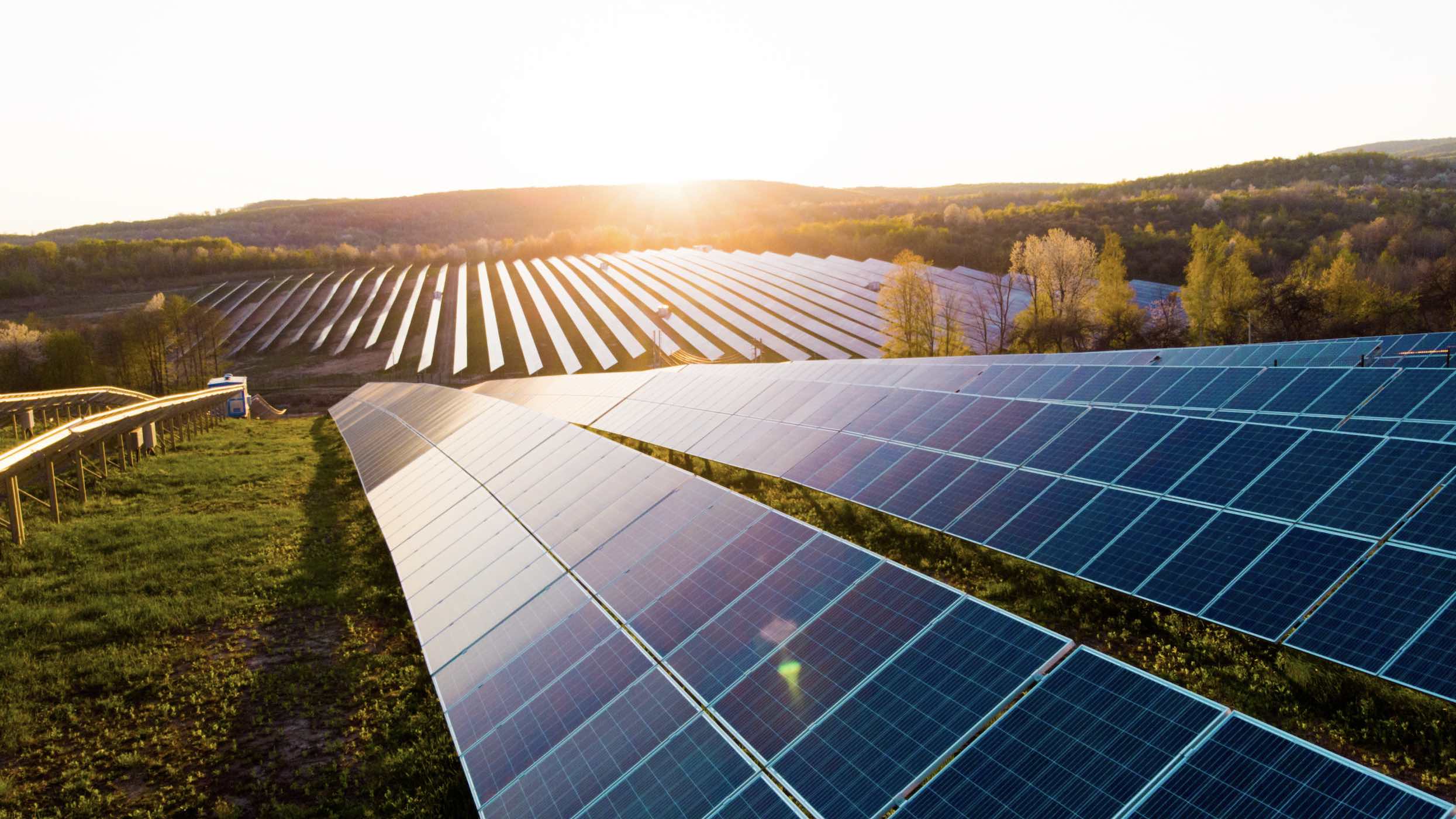
The sun is more than just a source of light and warmth; it's a powerful, renewable energy resource that, when effectively harnessed, can revolutionize the way we design and power our buildings.
As the global conversation around sustainability intensifies, integrating solar energy into building design has shifted from a niche, eco-conscious choice to a critical component of modern, responsible development.
Understanding and implementing these strategies is essential for building a greener future!
This article explores the myriad of benefits to solar energy and the key architectural and technological strategies for maximizing its potential.
The Benefits of Solar Energy in Buildings
The integration and harnessing of solar energy in buildings offers countless advantages, providing significant environmental and economic benefits.
Environmental Benefits
The most profound impact of solar energy is its contribution to a healthier planet. By utilizing solar power, buildings can drastically reduce their reliance on fossil fuels, which are the primary drivers of climate change and air pollution. This transition leads to a substantial decrease in the building's carbon footprint. Unlike traditional power generation, solar panels produce electricity without emitting greenhouse gases, sulfur oxides, or nitrogen oxides. This clean energy source directly combats harmful air pollution and helps in the global effort to mitigate the effects of global warming.Additionally, by generating power on-site, solar energy systems reduce the strain on the electrical grid and decrease the need for large-scale power plants, which often have their own environmental and land-use impacts.
Economic Benefits
The economic advantages of solar energy are equally impressive and offer a clear return on investment. The initial cost of installing solar panels and related infrastructure is often a deterrent, but the long-term savings are undeniable. Once operational, a solar energy system can significantly lower or even eliminate a building's electricity bills. For commercial and residential properties, this translates to predictable, lower operating costs over the life of the building. Many governments and utility companies offer financial incentives, such as tax credits, rebates, and feed-in tariffs, which can offset installation costs and even generate revenue by selling excess energy back to the grid. This not only makes solar a more viable option but can also turn a building into an active participant in the energy market. A comprehensive guide to these incentives can be found on the U.S. Department of Energy's website.
Beyond direct savings, solar integration enhances a property's value. Studies have shown that buildings with solar panels command a higher market value and sell faster than their non-solar counterparts. This added value is an attractive selling point for environmentally conscious buyers and tenants, making it a sound long-term investment.
Maximizing Solar Energy in Building Design
Simply installing solar panels isn't enough; true efficiency comes from a holistic design approach that incorporates solar principles from the very beginning of a project. This is a core tenet of passive solar design, which focuses on harnessing the sun's energy for heating, lighting, and cooling without relying on mechanical systems.
Building Orientation and Siting
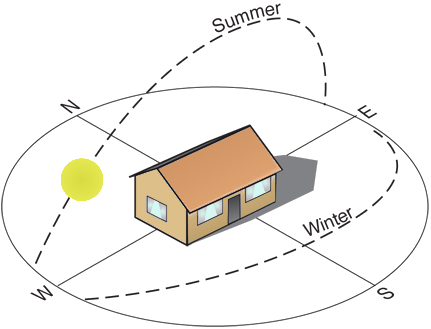
One of the most fundamental aspects of maximizing solar energy is a building's orientation. In the Northern Hemisphere, south-facing facades receive the most direct sunlight throughout the day, making them ideal for the placement of solar panels and large windows. Architects and developers must consider a site's specific solar path and potential shading from nearby buildings, trees, or natural features. Proper siting and orientation can dramatically increase a building's solar exposure, optimizing both energy generation and passive heating. This strategic placement ensures that the building operates in harmony with its environment, reducing energy needs from the get-go. The National Renewable Energy Laboratory (NREL) provides extensive data and research on solar resource availability across different regions.
Roof Design
The roof is often the most prominent surface for solar energy capture. A well-designed roof is more than just a flat surface; its pitch and materials are crucial for solar efficiency.
- Pitch and Angle: The ideal angle for solar panels depends on the building's latitude. In general, a pitch that matches the latitude of the location allows panels to be perpendicular to the sun's rays for a large portion of the year, maximizing energy production.
- Roof Material and Color: Light-colored or reflective roofing materials can help to reduce a building's cooling needs by reflecting sunlight and preventing heat absorption, a principle known as the "cool roof" effect. This complements a solar panel system by reducing the overall energy load.

Window Placement and Glazing
Windows serve a dual purpose in solar-optimized design: they allow for passive solar heating and natural light, while also being a major source of heat loss or gain.
- Strategic Placement: Placing larger windows on the south side of a building maximizes solar gain during the winter, helping to warm interior spaces. In contrast, smaller windows or those with shading devices on the east and west sides can reduce unwanted heat gain during the morning and afternoon.
- Advanced Glazing: Modern glazing technologies are critical for managing solar heat. Double or triple-paned windows with low-emissivity (Low-E) coatings reflect infrared light, keeping heat inside during the winter and out during the summer. This technology is a cornerstone of modern, energy-efficient building envelopes. To understand the science behind this, you can explore the Department of Energy's guide on passive solar homes. [should reference passive design as it comes up specifically in the link diagram]
Integrating Solar Technologies
The principles of passive design are complemented by a variety of active solar technologies that directly convert sunlight into usable energy. [perhaps a more detailed description of passive design]
Photovoltaic (PV) Systems
Photovoltaic technology is the most well-known form of solar energy integration. PV panels convert sunlight directly into electricity using the photovoltaic effect. These systems can be categorized into several types:
- Rooftop PV: The most common application, where panels are mounted on the roof, often on a rack system.
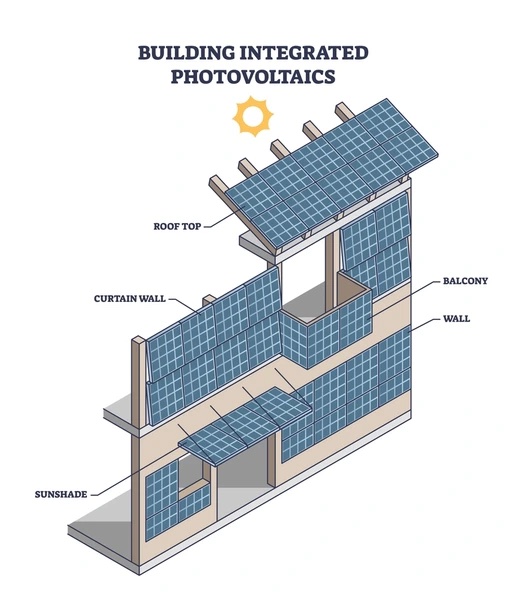
- Building-Integrated Photovoltaics (BIPV): A more advanced approach where the PV materials are seamlessly integrated into the building's structure, replacing conventional building materials like shingles, facade panels, or windows. BIPV systems offer both energy production and aesthetic appeal, and are a hallmark of cutting-edge sustainable design.
Solar Thermal Systems
While PV systems generate electricity, solar thermal systems are designed to capture the sun's heat for a variety of applications. These systems typically consist of a collector, a fluid (like water or antifreeze), and a storage tank.
- Solar Water Heating: This technology uses the sun's heat to preheat or fully heat a building's water supply, significantly reducing the energy required for water heaters.
- Solar Space Heating and Cooling: In some climates, solar thermal systems can be used to heat or cool buildings.This is accomplished by using a heat transfer fluid to warm a building or power an absorption chiller for air conditioning.
The Role of Energy Storage
For solar energy to be truly reliable, especially during non-sunny hours, energy storage is vital. Battery storage systems allow a building to store excess electricity generated during the day and use it at night or during peak demand periods. This not only enhances energy independence but also provides a resilient power source during grid outages. Battery technology has become more affordable and efficient, making it a practical addition to new construction and retrofits.
The Future
In an era defined by a pressing need for environmental stewardship and economic efficiency, the integration of solar energy into building design is a non-negotiable step toward a sustainable future.
For development firms and project owners, this means moving beyond simple code compliance and embracing a holistic approach that leverages both passive and active solar strategies.
By carefully considering factors like orientation, roof design, window placement, and the seamless integration of modern solar technologies, we can design and construct buildings that are not only energy-efficient and cost-effective but also serve as beacons of innovation and environmental responsibility.
It’s an investment in a brighter, more sustainable world, one building at a time.
To explore more about sustainable building principles, visit our Sustainability Insights and learn about the innovative concepts that are revolutionizing sustainable building design.

Energy Efficiency